Category: News

How to Avoid Ants in the Kitchen

Oh When The Ants Come Marching In…

When the weather starts warming up, ants start to appear out of nowhere right around the 1st of March. There are a couple of things you can do to try to keep them from marching right to your house instead of your neighbors when warm weather hits.

What Are The Ants Attracted To?

shutterstock_2027519504.jpeg

First, know that ants are mainly attracted to anything that tastes or smells sweet, but they will come to your house for pretty much any kind of food. This includes sugar, fruits left on the counter especially items that have a sweet smell to them like grapes and strawberries, they also love honey, and BBQ sauces with sugar in them.

Have you ever noticed ants in your bathroom and wondered why they are in the bathroom?? It’s the very little bit of sugar that is in your toothpaste! Yup, just a very tiny bit of sugar in toothpaste can have them changing course and heading to the bathroom to satisfy their sweet tooth.

Let’s Try To Keep Them From Showing Up So We Don’t Have To Figure Out How To Get Rid Of Them

The first step will be to keep the kitchen super clean during the months the ants like to visit. It’s a little extra work but if you do the following suggestions before the ants quickly take over, make your house the last choice for ants to set up camp during the summer.

  • Be sure to wipe your counters after cooking to remove any scraps of food and rinse your dishes and put them immediately in the dishwasher.
  • If you usually keep sugar for your coffee on the counter or cabinet be sure it’s in a tightly sealed container (no pour spouts) during the warm months consider keeping sugar in the fridge.
  • Ants will also find their way to your honey. You may not realize they are under the lid of the container until you go to squeeze some out into your morning hot tea, at which point you will see the ants floating in your cup. You can also keep honey in the fridge but note that the cold temps will make it harder to squeeze, if you can buy it in the wide mouth jars and spoon it out this would be best.
  • If you store fruit on your counter larger items like apples can be quickly rinsed off before consuming but smaller items like grapes should be stored in the fridge. I can tell you we have tossed grapes after forgetting to put them in the fridge and waking up the next day to find the bag of grapes full of ants. If you forgot to put your fruit away and it spent the night on the counter and you want to move them to the fridge be sure to check and rinse them all in a colander before you move them to the fridge.. the last thing you want to do is move ants to the fridge.
  • Be sure to twist the ends of bread bags and double bag with a Ziploc during these months.

They’re Here! They’re Here! Now, How Do I Get Rid Of Them?

I have 3 favorite ant killers that I use here at my home. Two of them are pet and kid-friendly the other is not. We use them in different areas of our home. My kids are big enough now to know not to touch the ant baits, but my puppies do not know any better so for those areas that the dogs can reach I like to use the pet & kid-friendly options which are the following

Aunt Fannie’s Ant Remedy is a spray solution so you can target a doorway or threshold where ants may be making their entrance. Note that the spray is safe but is made up of oils so be careful applying to areas where people walk as it may make that surface slippery. The idea is to spray cracks where you won’t be walking and maybe outside around the doorway.

www.auntfannies.com

My brother-in-law brought this next product to our home after he was at our house for dinner and we were swatting ants away from the dinner table. It’s called Zevo instant action spray. It’s made by www.proctorandgamble.com

He saw it on www.walmart.com and bought it because of the “safe for use around people and pets” on the front of the bottle. In the fine print, it does say “when used as directed” and it also has a warning of keeping it away from heat, sparks, grills, and open flames. I am guessing this has to do with the oil also found in this product (the oil listed for this one is Lemongrass Oil and White mineral oil). Again proceed with caution when spraying areas where people may be walking.

We used this in an outside area once I ran out of The Aunt Fannies. I feel it worked just as well. They seem to be made up of the same kind of ingredients.

www.zevoinsect.com

Our Steady Eddie, Better Known As ‘Bait On A Plate’

Our constant, always on our counter solution for controlling ants in our kitchen during the warm months here on the East Coast is hands down Terro Ant Killer.

The way it works is the ants are attracted to the liquid bait so you have to snip the end off of the plastic container it comes in and leave it out for the ants to be attracted to it. We found out through trial and error that if you bump it or move it, you will get the liquid solution on your counters. Poison on your kitchen counters where you prepare and serve food is not good for anyone.

In this picture below you will see the solution my husband came up with, which is cutting a paper plate in half and putting the bait on the plate. The plate also collects the ants as they make their way out of the bait and expire. Those black dots on the plate are dead ants, dead ants, dead ants, dead ants, dead ants, dead ants, da da da da… Sorry I couldn’t help myself.

www.terro.com

Putting Up A Good Fight

I Know having your kitchen invaded by these tiny little creatures is no laughing matter when they start taking over. Follow these steps and be sure to have 1 or 2 of these products on hand when the army of ants arrives. You will be glad you were ready for the fight.
Original article at Southern Living

Fighting Grime

What’s The Hardest Type Of Dirt Or Grime To Clean In Your Home?

In your home you have many types of dirt and grime, we all do. If you are reading this you are probably thinking about hiring a cleaning service and if you live in Maryland chances are Dirt Detectives Cleaning can help you with your house cleaning needs. In the meantime, if you feel the urge to tackle some of it on your own below I map out my step-by-step process for tackling the toughest types of grime and dirt in your home. Don’t worry we all have encountered these forms of dirt in our own homes, so you’re not alone.

And The Winner Is…..

GrimBacksplashImage_c.jpeg

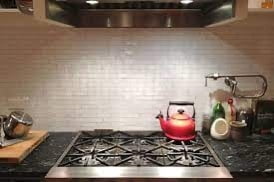
One of the most difficult types of grime to clean and remove would have to be hands down food grease on cabinets, backsplash areas, and stovetops.

What makes it so difficult to clean is once it cools down it hardens. On stovetops, backsplashes and cabinets, if you do not wipe them down before the splatter cools, you end up with layers upon layers of hard stubborn grease on top of each other.

The best way to get rid of kitchen grease buildup would be to use a heavy-duty degreaser that is safe on most surfaces (tile backsplash, granite counters, wood cabinets).

My go-to for this is Awesome Orange Cleaner that can be found in most Dollar Generals and Dollar Tree.

The key to this is to not spray it (while it works great when sprayed in the air it irritates your lungs). I suggest filling a bucket with 4 cups of water as hot as you can tolerate it and pouring 4 cups of Awesome Orange into it.

Add 3 microfiber cloths to the mixture and let them absorb the cleaner.

Then wring out each cloth and wipe the surface. If it’s really tough you can use a Scotch Brite blue sponge (nonscratch) and a little bit of Quick N Brite which is also a degreaser and non-abrasive.

For flat surfaces like stovetops and counters, get them wet with the cloth soaked in your cleaner and take a razor and scrape as much as you can off with the razor, being sure to keep the area wet as to not scratch the surface

Because the grease may have multiple layers you may have to repeat this process several times till the surface is clean. It’s best to use cleaners that won’t scratch when you clean these areas and take your time as kitchen fixtures are expensive and we hope to keep them for many years. So take your time.

Coming In Second…

The second runner-up for pesky grime to remove in your home would be soap scum on shower tiles and glass shower doors.

You can tackle most soap scum with a spray bottle filled with 10% Dawn Platinum dish soap, 30% hot water, and 60% cleaning vinegar (vinegar will work best if you warm that up in the microwave too) This solution is not advised on natural stone like marble due to the vinegar added to the mixture, however plastic shower enclosures and your everyday ceramic tile will be just fine.

Put all of those ingredients in a spray bottle and spray the area and leave it on the surface for 30 minutes. Take a bucket with as hot as you can handle water and a little more of your Dawn and vinegar solution. Put a blue Scotch Brite sponge in the solution and start to work in circles on the area you sprayed.

If the shower is made up of a ceramic tile material this would be a great time to break out the straight razor and scrape off what has been softened by the solution. You will be amazed when you see scum literally shave right off the walls. As long as you spray down your glass shower doors and keep them wet while working you can use the razor on this surface as well.

A ready-to-use solution that I have found after testing numerous others for soap scum is made by Rejuvenate and is called Soap Scum Remover.

You can buy it on www.amazon.com or from their website, www.rejuvenateproducts.com.

I give this product a definite 2 thumbs up based on no odor, non-toxic, and ease of use. Again use this product for tough caked-on layers of soap scum. It is best to wet the whole shower enclose with the hottest water you can tolerate then spray the area and leave to work for about 10 minutes before you start trying to scrub it.

I recently contributed to an article for Martha Stewart talking about the subject of the worst type of grime you need to tackle when cleaning your house. Here is the link and some more in-depth detail on how to tackle it.

Cleaning Supplies Gone Bad

What are some cleaning supplies you should be replacing on a regular semi-annual basis?

shutterstock_380743111.jpeg

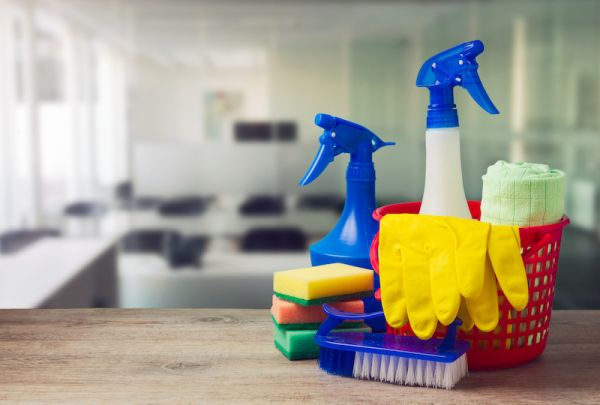
The MOST important thing to replace frequently is the tools you use to apply cleaner/or clean with. ie: sponges and microfiber rags. Sponges come in contact with millions of bacteria and germs, depending on where they are used. In a kitchen, sponges come in contact with e-coli, salmonella, and viruses due to a kitchen being such a high-touch area. The cost of a sponge runs around $1.00. At this price, you should be tossing your kitchen sponge once a week. You may have been told before that running your sponge through the dishwasher or nuking it in the microwave is a good alternative to replacing it, but those were different times. Today we are all about cleaning and disinfecting our spaces so the kitchen is priority number 1. So toss that sponge every 7 days! In a bathroom, if you are using a toilet brush to clean the toilet and using the sponge for sinks and tubs you could get away with tossing that sponge when it isn’t effective anymore.

When cleaning a kitchen after handling chicken or anything that could have bacteria like salmonella, use something that can be washed or tossed. Like a microfiber rag or disposal cleaning wipes. Then use your sponge for scrubbing.

What happens if you are using “old” cleaning products?

Most products made up of a few basic ingredients (like Windex) can really hold their own for very long periods of time. They don’t break down or change when stored inside a home where the temperature is kept at a normal level. It’s when you store items like Windex in a garage and forget about it, then decide to detail your car and go to use it on the windows that you may notice it leaves your glass somewhat streaky. This is due to the heat it was exposed to. After exposure, that may dry up the 4.0% alcohol that is the main ingredient. To ensure your products don’t change in chemical makeup, be sure to store all cleaning products in a neutral temperature setting.

Items that will break down over time regardless of where you store them are liquids that appear to be thick and heavy when you pour them. This does affect the ability of the product to do the job it is intended to do. Items like Murphy’s Oil Soap and floor wax do not fair well if not used within a 2 year time period of being purchased. They become clumpy and separate and tend to take on a thin milky consistency. I myself have attempted to use a floor wax that had been stored away for years and the results were horrible. You will end up having to remove all of the wax and applying newly bought wax to the area.

Will it become dangerous with age if stored too long?

Items that become dangerous (anything in an aerosol can like Scrubbing Bubbles or stainless steel spray in a can for example) only become dangerous when left in areas where the temperature fluctuates. Example: A garage in the summer heat or winter cold can cause a can to explode. Many cleaning companies who carry supplies in their automobiles know that during peak heat and cold you need to bring your caddies in overnight or they will burst in your trunk.

Is there a good rule of thumb to remember to replace your cleaning supplies?

The best rule of thumb would be to find a core group of things that work for you (you should have about 6-8 items to clean your whole house top to bottom) and stick to them so you are constantly using them. Don’t get caught up in the hype of a new product and end up with 30 bottles under your kitchen sink. If you find your core group of products and end up with stuff you don’t love, gather them up and offer them for free to those who could use them, get them out of your home as they will end up going bad and becoming less effective.

Read the Martha Stewart article that Dirt Detectives contributed to on this topic.

When Should I Toss Freezer Food?

shutterstock_1013189377.jpeg

If you’re anything like me you probably have no idea what is at the very bottom of your freezer right now. Sure you can plainly see those half-eaten bags of french fries and those popsicles that have been there since the Summer of 2018 but when was the last time you took everything out and tossed out what was bad? Did you just buy more chicken breast because you forgot you have a pack already frozen? By the time you clean your freezer out, you discover it covered in freezer burn? I’m 100 percent guilty of this.

For me, I realized it was time to take everything out and start from scratch when I made some homemade sweet tea and filled my glass with ice. I took a big drink only to be surprised by the bitter taste of onion. This was the result of using the ice from the tray inside the freezer. It took on the taste of some yellow onions that my son had cut up and froze to toss in his morning eggs. Yup, I ruined the whole pitcher of sweet tea. So it began, the unearthing of all the things I had tossed in the freezer and forgot about.

What Should I Toss & How Often?

You will want to toss your ice tray if you haven’t used the dispenser in a while as the ice cubes will just clump together and after a while can take on the taste and smell of some items in your freezer (onions and garlic)

Many people like to freeze fresh spices and veggies which is great and they have a shelf life of about 6 months but those things can make ice cubes taste funny.

Some items that you want to toss are anything that has a break in the packaging and allows air to get in causing ice and frost to set in. Food will not have a good taste once cooked.

Also, anything that isn’t labeled (have you ever gone to make a smoothie with what you thought was a frozen banana to find out it’s a tamale? NO? Just me? Ok yes this really happened)

Items containing dairy don’t hold up more than 1 to 3 months, including ice cream, milk and yogurt. When you go to thaw them to use after too long in the freezer they will clump up and have a curdled texture.

The 1 diary item that can stay frozen and not lose taste or texture for up to 12 months is butter.

Meats on the other hand can keep in the freezer for up to 6 months.

How To Avoid Having To Toss Food You Paid Good Money For

The best practice for not having to toss too many items from your freezer is come up with a master list of the top 12-15 meals you make on a consistent basis and shop those meats and other items and make sure you rotate from the freezer pulling items that when bought first not last.

If you run into a problem where you have an odor in your freezer from old food that just won’t go away a good remedy is to take lumps of charcoal that you use for cooking on the grill (the kind without lighter fluid added) and put on a paper bag and leave 3 or 4 lumps in the freezer. These will absorb any lingering odors lurking in your freezer.

The best way to NOT have to toss food that you pay good money for is to check what you have on hand before you head to the store.

I am currently listening to my husband lecture me on all the things we had to throw away for this very reason. So I can relate if you find things once you start cleaning out your freezer and find that slice of cake from your 30th Birthday party and you just turned 40 last week.

Read more in this article Dirt Detectives contributed to in Mashed.

Cleaning for a Reason

Cleaning_for_a_Reason.jpeg

We are honored to be affiliated with Cleaning For a Reason, a non profit that connects cleaning service providers with patients going through cancer treatment.

We provide cleanings for hundreds of families in Maryland who don’t have the time or energy to maintain their home the way they would like to on a regular basis.

We enjoy what we do for a living and actually LOVE to clean so it was only natural that we would want to partner with this program allowing us to give our time and energy to those who need it most right now in our community. If you or anyone you know is currently battling cancer or caring for a loved one who is battling cancer ( this includes parents who are caretakers for their children who are ill ) please have them email or call us so we can reach out to them and offer them our services free of charge.

Learn more about Cleaning for a Reason